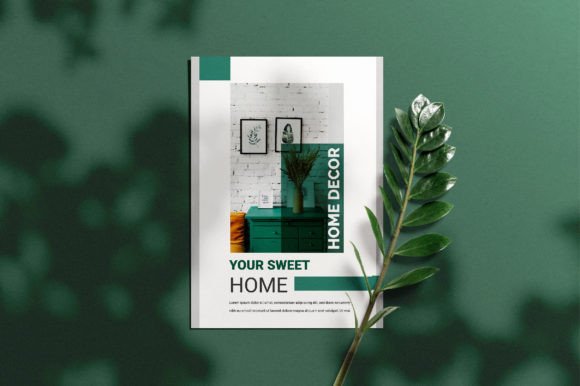
Clean and Green: Mastering the Minimalist Flyer Design
In the crowded landscape of digital marketing and physical advertising, the "less is more" philosophy has never been more relevant. We are constantly bombarded with information, and as a result, the human eye naturally gravitates toward clarity and simplicity. This is precisely why a minimalist aesthetic, particularly one grounded in a refreshing green color palette, is such a powerful tool for visual communication. It cuts through the noise, offering a breath of fresh air that invites the viewer to engage with the core message rather than getting lost in clutter.
The Psychology of Green in Visual Branding
Color theory plays a massive role in how we perceive information, and green is one of the most versatile and universally appealing hues available. It is inextricably linked to nature, growth, renewal, and health. For a small business owner or a creative entrepreneur, utilizing a Minimalist Flyer Design in Green sends an immediate subconscious signal of balance and tranquility. Whether you are launching a wellness brand, promoting an eco-friendly product, or simply looking for a color that feels modern and energetic without being aggressive like red, green is a superb choice. It bridges the gap between corporate professionalism and approachable warmth, making it suitable for everything from financial services wanting to signal "growth" to yoga studios wanting to signal "calm."
Practical Applications: Beyond the Basic Handout
When you think of a flyer, you might immediately picture a stack of papers handed out on a street corner. However, the value of a high-quality template extends far beyond that single use case. A well-structured, minimalist template is a foundational design asset that can be adapted to fit a multitude of channels. Because the design is clean, it serves as a flexible canvas for various marketing assets.
Consider the digital realm first. The dimensions and layout of a flyer often translate perfectly to Instagram stories or Pinterest pins. By leveraging the 100% vector nature of a premium template, you can scale the design up for a website hero image or down for a mobile banner without losing quality. Furthermore, the principles of this design can be applied to:
- Digital Products: Creating covers for eBooks, lead magnets, or digital planners that need a cohesive, professional look.
- Social Media Graphics: Designing quote cards or announcement posts that maintain a consistent grid aesthetic.
- Event Invitations: Whether it is a virtual webinar or a local workshop, the formal yet clean layout works perfectly for RSVPs.
- Brand Identity: Using the layout structure to create matching letterheads or business cards that reinforce your visual language.
Leveraging Vector Quality for Maximum Flexibility
One of the most critical features of a professional-grade template is the file format. When a template is provided in Illustrator EPS format, it means the artwork is 100% vector. This is a game-changer for anyone involved in logo design or large-format printing. Unlike raster images (like JPGs) which become pixelated when enlarged, vector graphics use mathematical equations to draw lines and curves. This means you can take the design elements from this flyer and blow them up to the size of a billboard, and the edges will remain perfectly crisp.
For those working in packaging design, this vector capability allows you to isolate specific elements—perhaps a geometric shape or a unique layout arrangement—and incorporate them directly onto a box or label design. It ensures that your brand identity remains consistent across a tiny business card and a large storefront window display. The inclusion of a 300 DPI JPG file ensures that even if you aren't comfortable with vector software, you have a high-resolution raster image ready for immediate use in standard photo editors or online uploaders.
Typography and Readability in Minimalist Layouts
In a minimalist design, typography carries the weight of the visual interest. Without busy backgrounds or excessive graphics to hide behind, the typeface choice becomes the voice of the design. A successful Minimalist Flyer Design in Green relies on a harmonious balance between negative space and text.
When editing your template, pay close attention to the hierarchy of information. Minimalism isn't about having less information; it's about organizing it better. Use the provided free font recommendations to establish a clear distinction between your headlines, subheadings, and body copy. A common pairing strategy in modern typography is to combine a bold, geometric sans-serif for headers with a lighter, highly legible serif for the body text. This contrast creates a dynamic flow that guides the reader's eye naturally down the page.
Furthermore, because green is a cool color, ensure your text has sufficient contrast. Dark charcoal or deep forest green text on a pale mint background offers excellent readability while maintaining the serene aesthetic. Avoid pure black on pure white if you want a softer, more organic feel; opt for off-whites and dark greys to keep the minimalist vibe intact.
Streamlining Your Workflow with Editable Features
Time is the most valuable resource for a busy entrepreneur or designer. This is where the CMYK color mode and Easy to Edit features become invaluable. CMYK is the industry standard for printing. By having your file pre-set in CMYK, you eliminate the guesswork and the risk of colors shifting unexpectedly when sent to a professional printer. What you see on your calibrated screen is much closer to what you will get in your hand.
The ability to easily edit the file means you can repurpose a single template for an entire quarter's worth of marketing. Need a flyer for a spring sale? Adjust the text and perhaps tweak the green to a brighter lime. Promoting a winter wellness event? Shift the palette to a deeper emerald and update the copy. This adaptability transforms a single purchase into a long-term design asset library.
Choosing the Right Style for Your Audience
While the template provides the structure, the success of the flyer ultimately depends on how well it resonates with your target audience. A minimalist approach is particularly effective for audiences that value sophistication, intelligence, and transparency. It suggests that you are confident enough in your product or message that you don't need to scream for attention.
For example, if you are a content creator or blogger, a clean green layout can signal that your content is well-researched and trustworthy. For a tech startup, the green can represent innovation and "go" signals. For editorial design, such as the layout of a magazine page or a catalog, this style allows the product photography to shine without visual competition. It is about creating a frame that highlights the content rather than competing with it.
Finalizing Your Project
Before you send your design to the printer or publish it online, take a moment to review the specific details of your project. Ensure that the commercial licensing of the font and the template allows for your intended use, especially if you are creating merchandise for sale. Test your font pairings by printing a small sample to check how the ink absorbs into the paper, as this can affect the perceived weight of the type.
A Minimalist Flyer Design in Green is more than just a piece of paper; it is a strategic communication tool. It leverages color psychology, clean geometry, and professional typography to build trust and deliver a message with impact. By utilizing the vector capabilities and high-resolution files provided, you ensure that your brand looks polished, consistent, and ready for growth.